When 28-year-old Rajesh walked into our Bangalore showroom, he wanted a textured, modern hairstyle that would look good on Instagram and help him in the dating scene. Two hours later, 56-year-old Mr. Sharma arrived asking for something “dignified and professional” that wouldn’t make him look like he was trying too hard.
Both men were buying hair wigs. Both had similar budgets. Both wanted natural-looking results. Yet their needs couldn’t have been more different.
Age isn’t just a number when it comes to choosing a hair wig for men. Your age fundamentally changes what you need, what works on you, how much you should spend, and even which attachment methods will work best. This isn’t about discrimination or stereotypes—it’s about biology, lifestyle realities, and social contexts that genuinely differ between a 27-year-old software engineer and a 55-year-old business owner.
If you’re reading this, you’ve probably noticed that most hair wig advice treats all men the same. It doesn’t. And that generic advice is costing you money, comfort, and confidence.
Let’s break down exactly how age changes everything about your hair wig choice, so you can make the smartest decision for your specific life stage.
The Biological Reality: How Your Scalp Changes With Age
Before we talk about style preferences or budgets, let’s address the elephant in the room: your 50-year-old scalp is fundamentally different from your 25-year-old scalp, and pretending otherwise leads to poor wig choices.
Skin Elasticity and Texture
Young men under 30 typically have more elastic, resilient skin with higher collagen production. This means adhesives bond more effectively, skin bounces back quickly from tape removal, and attachment points can handle stronger adhesives without irritation. The scalp tolerates frequent reattachment sessions without visible stress.
Men over 50 experience natural collagen depletion, thinner skin, and reduced elasticity. This doesn’t mean you can’t wear wigs—millions do successfully—but it means you need gentler adhesives, longer intervals between reattachments, and possibly different attachment methods altogether. Aggressive tape removal that a 28-year-old handles fine can cause skin damage on a 58-year-old scalp.
Oil Production and Sweating Patterns
Younger men generally produce more scalp oil and sweat more actively, especially if they’re hitting the gym daily or playing weekend cricket. This requires stronger, sweat-resistant adhesives and more frequent cleaning schedules.
Older men typically experience reduced oil production and less intense sweating. While this might sound like an advantage, it actually means certain adhesives may not bond as effectively because they rely partially on natural oils for optimal grip. The solution isn’t worse—it’s just different.
Hair Loss Patterns and Progression
Men under 30 experiencing hair loss often deal with aggressive, rapidly progressing patterns. This means your hair loss might look significantly different in 12-18 months, requiring wig adjustments or replacements more frequently.
Men over 50 usually have more stabilized hair loss patterns. If you’ve been bald or thinning for years, the pattern is likely established. This stability allows for better long-term planning and potentially higher-quality, longer-lasting wig investments since you won’t outgrow the coverage area quickly.
Style Expectations: What Looks Natural at Different Ages
This is where age-appropriate wisdom really matters. The wrong style choice doesn’t just look bad—it announces to everyone that you’re wearing a wig.
Hair Wig Styles for Men Under 30
Young men can embrace contemporary, trendy hairstyles without looking ridiculous. Think textured crops, modern fades, side-swept bangs, even subtle highlights or dimensional coloring. The expectation is that a 25-year-old might experiment with his look, change styles seasonally, or follow current trends.
Your hair wig should reflect this flexibility. Consider medium-density systems that allow for styling versatility rather than locked-in styles. You want the freedom to slick it back for a wedding, tousle it for casual weekends, or even add temporary color for a festival.
The hairline should look youthful and defined without looking “pluggy” or too perfect. Natural recession at the temples is fine—in fact, slight recession looks more authentic than a perfectly straight juvenile hairline on a 28-year-old.
Avoid the mistake many young men make: choosing unnaturally thick density because you think more hair equals better results. Modern young men’s hairstyles actually look better with natural movement and texture, which requires appropriate rather than maximum density.
Hair Wig Styles for Men Over 50
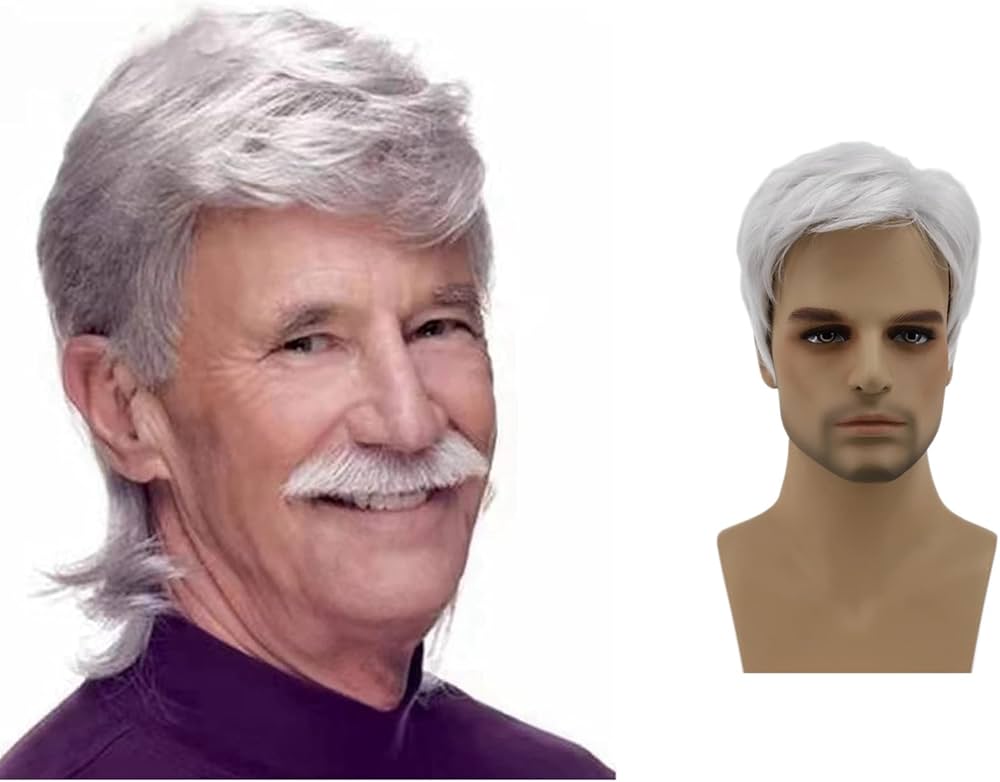
Gentlemen over 50 benefit from classic, timeless styles that emphasize sophistication over trendiness. Short to medium lengths work best—think distinguished silver fox rather than attempting to recreate your 25-year-old look.
The critical factor here is age-appropriate density and color. A 55-year-old with thick, jet-black hair in a dense modern style looks unnatural and draws attention. Instead, consider natural graying patterns, appropriate salt-and-pepper tones, or even distinguished full gray options.
Your hairline should show natural age-appropriate recession. A perfectly straight, low hairline on a 60-year-old immediately signals artificial hair. Work with specialists who understand creating believable mature hairlines with proper temple recession and natural irregularity.
Shorter styles like neat side parts, subtle combovers, or classic swept-back looks convey professionalism and confidence appropriate to your stage of life. These styles also require less daily maintenance, which aligns better with the lower-fuss lifestyle many older men prefer.
The biggest compliment for a 55-year-old’s hair wig isn’t “nobody knew”—it’s “you look distinguished and well-groomed.” That subtle shift in objective changes everything about style selection.
Adhesive and Attachment Method Differences
This technical aspect trips up many men because age-related skin changes genuinely require different approaches.
Best Attachment Methods for Men Under 30
Strong liquid adhesives work excellently for young men with resilient skin. Products like Ultrahold, Ghost Bond, or similar medical-grade adhesives provide 2-4 week hold even through intense workouts, swimming, and active lifestyles.
Tape systems also work well, particularly for men who prefer self-maintenance. Young skin tolerates frequent tape application and removal without excessive irritation.
The aggressive attachment schedule young men can maintain—reattaching every 3-4 weeks with strong adhesives—keeps wigs extremely secure through active lifestyles without concern.
Best Attachment Methods for Men Over 50
Gentler, skin-friendly adhesives become essential. Look for hypoallergenic formulations designed for sensitive skin. While hold time might be slightly shorter (2-3 weeks instead of 4), the reduced skin stress is worth the trade-off.
Consider partial bonding or perimeter bonding rather than full-base adhesion. This reduces adhesive contact area while maintaining security, minimizing stress on aging skin.
Clip-based integration systems or partial attachment methods work exceptionally well for men over 50 with remaining hair. These methods eliminate scalp adhesives entirely while providing stable attachment.
Some older men benefit from transitioning to weekly salon visits for professional reattachment rather than the longer intervals younger men maintain. While this increases service frequency, professional application ensures proper technique that protects aging skin.
The goal shifts from maximum hold strength to optimal skin health with adequate security. You’re not jumping into pools or playing contact sports as frequently, so you don’t need the extreme adhesion younger men require.
Budget Considerations Across Life Stages
Your age fundamentally changes what you can and should spend on hair wigs, and this goes beyond simple affordability.
Financial Reality for Men Under 30
Most men in their 20s and early 30s are in career-building mode. You might be earning ₹40,000 to ₹80,000 monthly with rent, EMIs, and lifestyle expenses consuming most of it. Discretionary spending for appearance competes with weekend plans, dating, travel, and saving for future goals.
The smart budget strategy here is mid-range investment with planned replacement cycles. A ₹25,000 to ₹50,000 human hair system lasting 12-18 months makes more financial sense than stretching for a ₹1,00,000 luxury piece you’ll outgrow stylistically as trends change.
Young men benefit from starting with one quality mid-range system and potentially adding a second different style as finances allow. Having a professional work look and a casual weekend look provides versatility without over-investing in a single premium piece.
Maintenance costs need careful consideration. Budget ₹2,000 to ₹3,500 monthly for products and professional services. This ongoing cost often surprises young wig buyers who focus only on purchase price.
Financial Reality for Men Over 50
Men in their 50s and 60s typically have more financial stability, fewer dependents, and established careers or retirement income. You can likely afford higher-quality systems without financial strain.
The smart investment strategy here is buying the best quality once rather than replacing cheaper options repeatedly. A ₹80,000 to ₹1,20,000 premium human hair system lasting 3-4 years actually costs less annually than ₹35,000 systems replaced every 14 months.
You’re likely past the point of experimenting with dramatic style changes, so investing in one excellent system that perfectly matches your established look makes sense. The cost-per-wear becomes incredibly reasonable when you’re wearing the same well-made piece daily for years.
Many men over 50 also have the luxury of investing in backup systems. Having a primary daily wig and a backup ensures you’re never without coverage during maintenance or repairs. This redundancy provides peace of mind worth the additional investment.
Professional maintenance rather than DIY approaches makes more sense for this age group. Yes, it costs more monthly, but the superior results and reduced hassle align better with this life stage’s priorities.
Dating and Social Considerations
Let’s address the awkward conversations nobody wants to have but everyone thinks about.
Dating in Your 20s and 30s with a Hair Wig
Dating anxiety around hair wigs is completely understandable for young men. The question “when and how do I tell her?” causes genuine stress. Here’s the reality: modern young women are generally more accepting of hair solutions than you fear, but timing and confidence matter.
Most relationship experts suggest disclosure somewhere between dates 3-5, before physical intimacy but after genuine connection is established. The exact timing depends on how physical your early dates become.
Your confidence level matters infinitely more than the wig itself. Women respond to how you present the information. “I wear a hair system because early hair loss runs in my family, and this was the best solution for me” delivered confidently generates vastly different responses than apologetic, shame-filled confession.
The advantage of youth is that you’re dating in an era where cosmetic enhancements are normalized. Hair wigs are mild compared to what’s discussed openly on dating apps.
Choose a high-quality, undetectable system for dating years. The extra investment pays for itself in confidence. Nothing kills romantic moments faster than worrying whether your hairline will survive an intimate evening.
Relationships and Social Life Over 50
Men over 50 face different social dynamics. Many are in established marriages where partners are fully aware and supportive. For divorced or widowed men re-entering dating, the conversation is usually easier because life experience has taught both parties that everyone has something—whether hair wigs, dentures, reading glasses, or other age-related realities.
Disclosure anxiety lessens with age. Most mature women have their own cosmetic considerations and understand personal grooming choices. The conversation often happens naturally: “I wear a hair system” is met with “I have permanent makeup” or similar exchanges.
Social acceptance is generally higher for older men wearing wigs because hair loss is expected at this age. Wearing a good wig is seen as taking care of yourself rather than vanity or deception.
The professional and social circles of men over 50 are typically more private and less judgment-oriented than young adult social dynamics. Your established reputation and character matter far more than your hair situation.
Professional and Career Implications
Your career stage changes how hair wigs factor into professional life.
Career Building Years (Under 30)
Young professionals often feel intense pressure around appearance. Whether fair or not, youthful appearance correlates with energy, capability, and promotability in many Indian corporate environments. Hair loss at 27 can feel like a significant professional liability.
A quality hair wig can genuinely level the playing field. Job interviews, client meetings, and professional networking benefit from the confidence boost that comes with feeling physically confident.
However, young professionals should invest proportionally. Don’t spend three months’ salary on a luxury hair system when a quality mid-range option provides 90% of the benefit. Your career advancement budget should primarily go toward skills, certifications, and networking rather than maximizing wig quality.
The key is looking polished and put-together rather than flashy. Your hair should never be the focus—it should simply not be a distraction.
Established Career Stage (Over 50)
Senior professionals, business owners, and executives at this stage have proven track records that matter more than appearance. However, looking vital and energetic rather than aged and declining still has professional value.
A distinguished, age-appropriate hair wig signals that you take yourself seriously and maintain professional standards. In client-facing roles or public-facing positions, this matters significantly.
The investment level here should match your professional status. Senior executives can and should invest in premium systems that never require worry or adjustment during important meetings or business travel.
The advantage at this career stage is that you can often deduct wig costs as professional appearance expenses if you’re a business owner or consultant.
Lifestyle Activity Differences
Your daily activity level fundamentally changes wig requirements.
Active Lifestyle Under 30
Young men typically maintain intense activity levels: gym 5-6 times weekly, weekend sports, swimming, dancing at clubs, adventure travel, motorcycle riding, and generally high-energy pursuits.
This demands the most secure attachment methods available. You need systems that survive helmet hair, shower sweats, swimming pool chemicals, and the general abuse an active lifestyle delivers.
Synthetic-blend options can work well for young men who want a workout system separate from their daily professional system. Having an activity-specific wig that you don’t mind getting genuinely sweaty makes practical sense.
Quick-dry materials and breathable bases become essential. You can’t wait an hour for your wig to dry after a shower—you need to get ready and go.
Less Intense Activity Over 50
While many men over 50 remain active, the intensity typically moderates. Walking, golf, moderate gym sessions, and swimming laps replace intense cardio and contact sports.
This allows for more comfortable, less aggressively-bonded systems. You can prioritize comfort and naturalness over extreme security since you’re not diving into pools or running marathons.
The reduced sweating also means wigs stay fresher longer, potentially extending time between cleanings and reducing maintenance costs.
Health Considerations and Medication Interactions
Age brings health factors that affect wig wearing more than most people realize.
Health Factors for Younger Men
Young men rarely take multiple medications or have skin sensitivities that complicate wig adhesives. The main health consideration is typically just the psychological impact of early hair loss.
However, if you’re taking finasteride or minoxidil for hair loss, discuss with your doctor whether continuing these makes sense while wearing a wig. Some men continue to protect remaining natural hair; others discontinue to save money once committed to wig wearing.
Health Factors for Older Men
Men over 50 frequently take medications that affect skin: blood thinners, diabetes medications, blood pressure drugs, and others can thin skin or slow healing. This makes aggressive adhesive removal more dangerous.
Some medications cause increased skin sensitivity or allergic reactions to adhesive components. Discussing your wig plans with your dermatologist isn’t excessive caution—it’s smart planning.
Scalp conditions like seborrheic dermatitis or psoriasis, more common with age, require specialized wig approaches. You may need medical-grade hypoallergenic bases and adhesives, or periodic breaks from wearing to allow scalp treatment.
The Honest Recommendation by Age Group
For Men 25-35: The Strategic Starter Approach
Invest in one quality mid-range human hair system (₹30,000 to ₹60,000) with modern styling suitable for both professional and social settings. Use strong, sweat-resistant adhesives and commit to professional maintenance monthly.
Budget for replacement every 12-18 months as your style preferences evolve and hair loss pattern potentially progresses. Consider this an investment in confidence during crucial career-building and relationship-establishing years.
Don’t over-invest in luxury systems yet. Your needs will change as you age, and flexibility matters more than perfection at this stage.
For Men 35-50: The Quality Upgrade Phase
This is your sweet spot for premium investment. You know what you want stylistically, your hair loss pattern is established, and you can afford superior quality that lasts longer.
Invest ₹60,000 to ₹1,20,000 in an excellent human hair system with proper customization. The longer replacement cycle (2-3 years) makes the higher initial cost worthwhile.
Consider having two systems—one primary and one backup—rotating between them extends both their lifespans while ensuring you’re never without coverage.
Professional maintenance every 3-4 weeks keeps your system looking perfect with minimal personal effort, which aligns well with the busy life stage of established career and family.
For Men 50-65+: The Distinguished Professional Approach
Invest in the best quality available within your comfortable budget. A ₹80,000 to ₹1,50,000 premium system with age-appropriate styling, proper gray integration, and superior comfort pays dividends in daily confidence.
Prioritize comfort and ease over extreme security. You’re past the stage of needing systems that survive extreme activities. Focus on natural appearance, skin-friendly materials, and hassle-free maintenance.
Consider building relationships with skilled professionals who understand mature men’s needs. Having a trusted specialist who knows your scalp, preferences, and lifestyle eliminates the stress of constantly explaining your situation.
If budget allows, luxury custom systems with lifetime support packages make excellent sense at this stage. The per-year cost is reasonable when amortized over many years, and the quality-of-life improvement is substantial.
Common Mistakes by Age Group
Mistakes Young Men Make:
- Choosing unnaturally thick, dark hair that looks fake
- Under-budgeting for maintenance costs
- Attempting DIY attachment without proper training
- Choosing trendy styles that look dated within months
- Delaying the decision until confidence is severely damaged
Mistakes Older Men Make:
- Trying to recreate their 30-year-old look instead of age-appropriate styling
- Choosing all-black hair when salt-and-pepper would look natural
- Under-investing in quality then being disappointed with results
- Neglecting professional consultation in favor of online purchases
- Wearing styles too young for their age, which highlights rather than hides the wig
Final Thoughts: Age Is Your Advantage, Not Limitation
Whether you’re 27 or 57, you can find the perfect hair wig solution. The key is understanding that your age isn’t a limitation—it’s a framework that helps you make smarter, more targeted decisions.
Young men have the advantage of resilient skin, active metabolism, and the flexibility to experiment until finding their ideal solution. Older men benefit from financial stability, established style preferences, and the wisdom to invest appropriately for long-term satisfaction.
The worst decision is choosing a wig based on someone else’s age group’s needs. A 28-year-old wearing a distinguished gray wig looks costume-y. A 58-year-old wearing a dense, trendy modern cut looks desperate.
Your age tells you exactly what you need. Listen to it, work with it, and choose accordingly. The result will be hair that enhances your life at your exact stage rather than fighting against it.