
When considering a hair patch for baldness or thinning, the first question most people ask is: “Is it safe?” The short answer is yes, hair patches are generally safe when installed properly by experienced professionals using quality materials. However, like any cosmetic procedure, there are potential risks if done incorrectly or with poor-quality products.
This guide covers everything you need to know about hair patch safety—real risks, how to avoid problems, what makes installation safe, and how to identify warning signs.
The Safety Truth: When Hair Patches Are Safe (and When They’re Not)
Hair Patches Are Safe When:
Quality materials are used
Medical-grade adhesives, hypoallergenic tapes, breathable base materials, and properly processed human hair all meet safety standards. These materials are specifically designed for prolonged scalp contact without causing irritation or damage.
Installation is done professionally
Trained technicians who specialize in non-surgical hair replacement understand proper tension distribution, adhesive application techniques, and how to avoid follicle damage. Professional installation prevents the majority of safety issues.
Proper hygiene is maintained
Clean clinic environments, sanitized tools, fresh products, and proper scalp preparation prevent infections and skin reactions.
Regular maintenance is followed
Scheduled tightening, cleaning, and timely removal prevent buildup, excessive tension, and scalp damage that occur when patches are worn too long.
Appropriate expectations are set
Understanding that patches need maintenance, have limited lifespan, and require specific care prevents misuse that leads to problems.
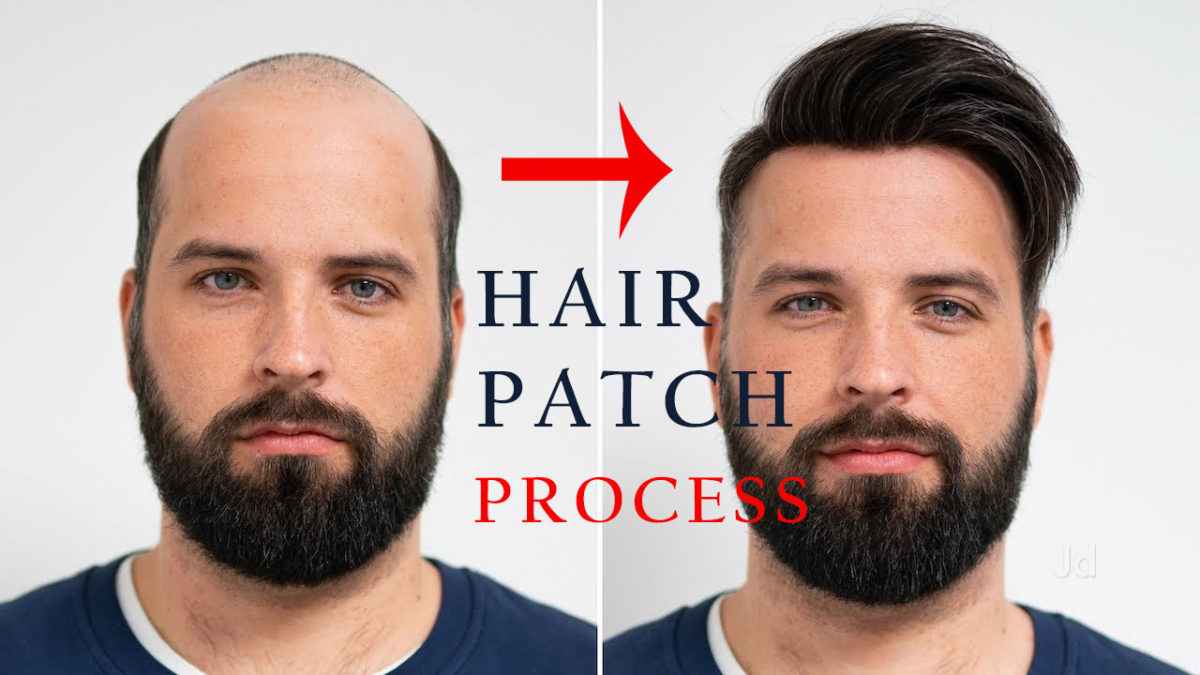
Hair Patches Become Unsafe When:
Cheap, untested materials are used
Non-medical adhesives containing harsh chemicals, poorly processed hair with chemical residues, or non-breathable bases can cause allergic reactions, scalp burns, or respiratory issues from toxic fumes.
Installation is rushed or improper
Overtight attachment causes traction alopecia (permanent hair loss from constant pulling). Poor adhesive application traps bacteria. Incorrect sizing creates pressure points.
Hygiene is neglected
Dirty tools, reused products, or unwashed patches create breeding grounds for bacteria, fungi, and mites that cause infections.
Maintenance is skipped
Wearing patches beyond recommended timeframes causes buildup, matting, excessive tension from hair growth, and follicle damage from trying to remove overly-adhered systems.
Warning signs are ignored
Continuing to wear a patch despite pain, itching, redness, or other discomfort allows minor issues to become serious medical problems.
Main Safety Concerns: What Could Go Wrong?
1. Traction Alopecia (Hair Loss from Tension)
What it is:
Gradual, permanent hair loss caused by constant pulling on hair follicles. This happens when patches are attached too tightly or worn too long without adjustment as natural hair grows.
Warning signs:
- Scalp soreness or tenderness
- Hairline recession over weeks/months
- Visible thinning around patch edges
- Bumps or inflammation where tension is highest
Prevention:
- Insist on comfortable, pain-free installation
- Follow recommended maintenance schedule (every 4-6 weeks)
- Choose lighter-weight patches (human hair vs heavy synthetic)
- Use weaving methods that distribute tension evenly
Recovery:
Caught early, traction alopecia is reversible by removing the patch and allowing follicles to recover. Advanced cases may cause permanent damage requiring medical treatment.
2. Allergic Reactions to Adhesives
What it is:
Skin sensitivity to chemicals in adhesives or tapes, causing redness, itching, burning, or rashes.
Warning signs:
- Red, inflamed skin where adhesive contacts scalp
- Persistent itching even after washing
- Bumps, blisters, or oozing
- Burning sensation
Prevention:
- Patch test adhesive on small skin area 24-48 hours before full application
- Use medical-grade, hypoallergenic adhesives designed for sensitive skin
- Ask about adhesive ingredients if you have known allergies
- Switch to alternative attachment methods (clips, weaving) if reactions occur
Management:
Remove patch immediately if reaction occurs. Wash scalp gently with mild soap. Apply recommended topical treatment. Consult dermatologist if symptoms persist beyond 2-3 days.
3. Scalp Infections
What it is:
Bacterial, fungal, or yeast infections developing under the patch from trapped moisture, poor hygiene, or contaminated products.
Warning signs:
- Foul odor from scalp or patch
- Yellow or green discharge
- Crusting or scabbing
- Intense itching and pain
- Fever or swelling (severe cases)
Prevention:
- Choose breathable base materials (lace over polyurethane in humid climates)
- Clean scalp thoroughly during maintenance visits
- Dry scalp completely after washing
- Use clinics with visible hygiene standards
- Don’t share patches or use second-hand systems
Treatment:
Remove patch. See doctor for proper diagnosis and antibiotics/antifungals if needed. Don’t reinstall until infection completely clears.
4. Scalp Damage from Harsh Chemicals
What it is:
Burns, irritation, or hair follicle damage from low-quality adhesives, removers, or cleaning products containing toxic ingredients.
Warning signs:
- Burning sensation during or after application
- White or discolored patches on scalp
- Hair breaking off at roots
- Unusual dryness or flaking
- Chemical smell that doesn’t fade
Prevention:
- Verify products are dermatologically tested and approved
- Avoid clinics using generic industrial adhesives
- Ask to see product labels and ingredient lists
- Choose water-based over solvent-based adhesives when possible
- Ensure proper ventilation during adhesive application
5. Respiratory Issues from Toxic Fumes
What it is:
Breathing problems from volatile organic compounds (VOCs) in poor-quality adhesives or removers during application in poorly ventilated spaces.
Warning signs:
- Headaches during or after application
- Dizziness or nausea
- Difficulty breathing
- Strong chemical odor in treatment room
- Lingering smell on patch/scalp
Prevention:
- Choose well-ventilated clinics with proper air circulation
- Ask about adhesive VOC content
- Avoid salons using strong-smelling industrial glues
- Request low-VOC or water-based alternatives
6. Contact Dermatitis
What it is:
Skin inflammation from prolonged contact with adhesives, synthetic hair fibers, or base materials.
Warning signs:
- Dry, scaly patches where base touches skin
- Redness spreading beyond attachment area
- Chronic itching
- Thickened skin texture
Prevention:
- Choose natural materials (human hair, lace/silk bases)
- Rotate between different attachment methods occasionally
- Give scalp periodic breaks if using adhesive methods
- Keep skin moisturized with recommended scalp treatments
Safe Installation Checklist: What to Look For
Before Installation
Proper consultation:
Specialist examines your scalp condition, discusses medical history (skin sensitivities, allergies, medications), and recommends appropriate materials and methods.
Patch test:
Small amount of adhesive applied to skin 24-48 hours before full installation to check for reactions.
Clean, professional environment:
Visible hygiene standards, sanitized tools, fresh towels, organized workspace.
Product transparency:
Clinic shows you adhesive labels, explains ingredients, and uses recognized medical-grade brands.
During Installation
No pain or excessive discomfort:
While slight tightness is normal, actual pain or throbbing indicates improper tension that will damage follicles.
Gentle scalp preparation:
Cleaning and prep should feel comfortable, not harsh or abrasive.
Proper ventilation:
Room has adequate airflow, no overwhelming chemical smells.
Professional technique:
Technician works methodically, checks fit multiple times, explains each step.
After Installation
Comfortable wear:
Patch feels secure but not tight, no pressure points or soreness.
Clear instructions provided:
Written care guidelines, maintenance schedule, emergency contact information.
No immediate adverse reactions:
Scalp looks normal (slight redness immediately after is okay), no burning or itching.
Safe Hair Patch Types and Materials
Safest Base Materials
Lace (Swiss or French):
Most breathable, allows scalp to breathe, reduces moisture buildup and infection risk. Best for Bangalore’s humid climate.
Monofilament mesh:
Good breathability, hypoallergenic, comfortable for sensitive scalps.
Medical-grade silicone:
Hypoallergenic when properly manufactured, good for adhesive-sensitive users.
Riskier Base Materials (When Low Quality)
Cheap polyurethane:
Can trap moisture, harbor bacteria if not cleaned properly. Quality matters significantly.
Unventilated plastic bases:
Least breathable, highest infection risk in warm weather.
Safest Hair Types
Human hair (properly processed):
Natural, no harsh chemicals, can be washed with normal products.
Medical-grade synthetic:
Tested for skin safety, hypoallergenic certifications.
Riskier Hair Types
Cheap synthetic with unknown processing:
May contain chemical residues or dyes that irritate skin.
Improperly treated human hair:
Can have processing chemical residues.
Safest Attachment Methods
Weaving (braided base):
No adhesive contact with scalp, tension distributed across braids, easy to adjust.
Medical-grade tape:
Hypoallergenic, tested for skin contact, designed for easy removal.
Clips (for partial systems):
No scalp contact, no adhesive, completely removable.
Moderate Risk Methods (Safe When Done Right)
Liquid adhesive:
Safe when medical-grade and properly applied, but requires patch testing and skilled removal.
Maintenance for Safe Long-Term Wear
Every 4-6 Weeks: Professional Maintenance
What happens:
- Patch is removed or loosened
- Scalp is thoroughly cleaned and examined
- Old adhesive is removed completely
- Scalp health is checked for any issues
- Patch is cleaned, conditioned, and reattached
- Proper tension is restored
Why this matters:
Regular professional care prevents 80% of safety issues by catching problems early and preventing buildup or excessive wear.
Daily Home Care
Proper washing:
- Use sulfate-free, gentle shampoos
- Don’t scrub aggressively at attachment points
- Rinse thoroughly to prevent product buildup
- Pat dry gently, don’t rub
Scalp monitoring:
- Check for redness, bumps, or irritation
- Notice any unusual itching or discomfort
- Watch for loosening or shifting
- Report concerns to your clinic immediately
Product safety:
- Use only recommended shampoos and conditioners
- Avoid harsh chemicals, alcohol-based products
- Don’t apply oils or thick products directly to adhesive areas
When to Remove Immediately
Stop wearing your patch and contact your clinic if you experience:
- Severe itching that doesn’t improve
- Visible redness or swelling
- Pain or throbbing sensations
- Any discharge or unusual odor
- Burning or stinging
- Hair falling out around edges
- Allergic reaction symptoms (rash, hives, difficulty breathing)
Don’t wait for scheduled maintenance if you have concerning symptoms.
Medical Conditions That Affect Safety
When Hair Patches Are Generally Safe
- Androgenetic alopecia (pattern baldness)
- Alopecia areata (patchy hair loss)
- Telogen effluvium (temporary stress-related shedding)
- Hair loss from styling damage
- Age-related thinning
When Extra Caution Is Needed
Active scalp conditions:
Psoriasis, eczema, seborrheic dermatitis, or other inflammatory conditions may worsen under patches. Consult dermatologist first.
Recent scalp injuries:
Wait for complete healing before applying patches over cuts, burns, or surgical sites.
Diabetes:
Slower healing and higher infection risk require extra hygiene vigilance.
Immune system issues:
Increased infection susceptibility means more frequent monitoring needed.
Sensitive skin history:
Previous allergic reactions to adhesives, tapes, or hair products require extra patch testing.
Blood thinners:
Some attachment methods can cause minor abrasions that bleed more easily.
When to Avoid Hair Patches
- Active scalp infections (wait until treated and cleared)
- Open wounds or sores on scalp
- Severe, untreated eczema or psoriasis covering application area
- Recent hair transplant surgery (wait 6-12 months)
- Chemotherapy (consider medical wigs instead)
Always disclose your complete medical history during consultation.
Choosing Safe Providers in Bangalore
Quality Indicators
Specialized expertise:
Clinics focusing on non-surgical hair replacement (not general salons also doing patches) have deeper safety knowledge.
Transparent product information:
Willing to show adhesive labels, discuss ingredients, explain material choices.
Hygiene standards:
Clean environment, sanitized tools, fresh consumables, professional appearance.
Comprehensive consultation:
Medical history review, scalp examination, patch testing offered.
Clear safety protocols:
Written aftercare instructions, maintenance schedules, emergency contact information.
Realistic expectations:
Discusses potential risks honestly, doesn’t guarantee zero problems.
Red Flags for Unsafe Providers
- Extremely low prices (₹5,000-₹8,000 for “complete” service)
- Reluctance to discuss materials or show products
- No patch testing offered
- Dirty or disorganized environment
- Pressure to start immediately without consultation
- Vague answers about maintenance requirements
- No clear safety protocols or aftercare guidance
Safe Hair Patch Summary
Hair patches are safe when:
- Quality materials are used (medical-grade adhesives, breathable bases, properly processed hair)
- Professional installation by experienced specialists
- Regular maintenance every 4-6 weeks
- Proper home care with recommended products
- Warning signs are addressed immediately
Main risks (all preventable):
- Traction alopecia from overtight attachment
- Allergic reactions to adhesives
- Scalp infections from poor hygiene
- Chemical irritation from harsh products
Your safety responsibility:
- Choose reputable, specialized clinics
- Follow maintenance schedules
- Use recommended products only
- Report problems immediately
- Give scalp periodic breaks if needed
Get Safe Hair Patch Installation
For safe, professional hair patch installation in Bangalore with quality materials and expert care:
Nile Hair N Skin Care
Call/WhatsApp: 9916489443
Locations: Koramangala | Bellandur
Services: Custom Hair Patches | Hair Weaving | Medical-Grade Materials
Free consultation includes scalp assessment, material safety discussion, and transparent risk explanation.