
Published by Nile Hair N Skin Care | Expert Hair Restoration for Women in Bangalore
You’re standing in front of the mirror, and you notice it again — your ponytail feels thinner, your parting seems wider, or you can see more of your scalp than you used to. If you’re a woman over 30 experiencing hair thinning, you’re not alone. In fact, you’re part of a growing number of Indian women facing this challenge earlier than ever before.
At Nile Hair N Skin Care, we’ve witnessed a significant increase in women seeking solutions for hair thinning over the past decade. What was once considered a problem for older women is now affecting women in their early 30s, impacting their confidence, self-image, and quality of life.
The good news? Hair thinning in women is highly treatable, and you don’t need surgery to restore your hair’s fullness and beauty.
This comprehensive guide will help you understand why hair thinning happens after 30, identify the underlying causes, and discover proven non-surgical solutions that actually work.
Understanding Hair Thinning vs. Hair Loss in Women
Before we dive into causes and solutions, let’s clarify what we mean by “hair thinning.”
Hair Thinning refers to:
- Gradual reduction in hair density and volume
- Finer, weaker hair strands
- Increased hair shedding (more than 100-150 strands daily)
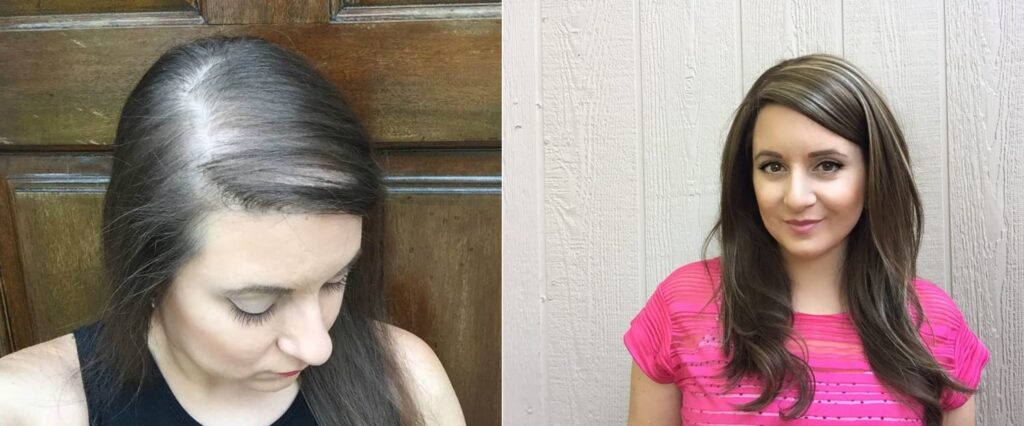
- Visible scalp, especially along the parting
- Smaller ponytail circumference
- Hair that breaks easily
Hair Loss refers to:
- Noticeable bald patches
- Receding hairline
- Complete absence of hair in certain areas
Women typically experience diffuse thinning — a gradual decrease in overall hair density — rather than the pattern baldness common in men. This makes it harder to notice initially but easier to treat when caught early.
The Alarming Statistics: Hair Thinning in Indian Women
Recent studies reveal concerning trends about hair health in Indian women:
- 40% of Indian women experience noticeable hair thinning by age 35
- 60% of women over 40 report some degree of hair loss
- Hair thinning complaints among women aged 25-35 have increased by 35% in the last 5 years
- 70% of women experiencing hair thinning report it affects their self-confidence
- Only 30% of women seek professional help early enough
At our Nile Hair Care clinics in Koramangala and Bellandur, we’ve seen firsthand how this issue transcends age, affecting professional women, new mothers, and even college graduates.
Why Does Hair Thinning Accelerate After 30?
Your 30s mark a significant transition period for your body, and your hair often reflects these changes. Here’s what’s happening:
The Hair Growth Cycle Slows Down
Hair growth occurs in three phases:
- Anagen (Growth phase): Lasts 2-7 years
- Catagen (Transition phase): Lasts 2-3 weeks
- Telogen (Resting phase): Lasts 3-4 months
After 30, the anagen phase gradually shortens, meaning:
- Hair doesn’t grow as long as it used to
- More hairs enter the resting phase simultaneously
- Hair follicles produce thinner strands
- The growth-to-shedding ratio becomes imbalanced
Hormonal Shifts Begin
Even if you’re years away from menopause, your hormones start changing in your 30s:
- Estrogen levels begin fluctuating
- Progesterone production may decline
- Thyroid function can become less efficient
- Cortisol (stress hormone) levels often increase
These hormonal changes directly impact hair follicle function and the hair growth cycle.
Top 10 Causes of Hair Thinning in Women After 30
1. Hormonal Imbalances
The Problem: Hormonal fluctuations are the leading cause of hair thinning in women over 30. Key hormonal issues include:
PCOS (Polycystic Ovary Syndrome):
- Affects 1 in 5 Indian women
- Causes excess androgens (male hormones)
- Leads to hair thinning on the scalp while causing facial hair growth
- Often accompanied by irregular periods, weight gain, and acne
Thyroid Disorders:
- Hypothyroidism (underactive thyroid): Causes dry, brittle hair and significant shedding
- Hyperthyroidism (overactive thyroid): Results in fine, fragile hair
- Affects approximately 1 in 8 women
- Often undiagnosed until hair symptoms appear
Perimenopause:
- Can begin as early as mid-30s
- Estrogen levels start declining
- Hair follicles become more sensitive to DHT (dihydrotestosterone)
- Results in gradual thinning, especially at the crown
Signs to watch for:
- Irregular menstrual cycles
- Unexplained weight changes
- Fatigue and mood swings
- Dry skin or excessive oiliness
- Hair thinning concentrated at the parting or crown
What to do: Get comprehensive hormone testing including:
- Thyroid panel (TSH, T3, T4)
- Estrogen and progesterone levels
- Testosterone and DHEA
- Insulin and glucose levels
2. Iron Deficiency and Anemia
The Problem: Iron deficiency is extremely common among Indian women, affecting nearly 50-60% of women of childbearing age.
Why it causes hair thinning:
- Hair follicles require oxygen-rich blood to function
- Iron is essential for producing hemoglobin (oxygen carrier)
- Without adequate iron, follicles enter resting phase prematurely
- Results in excessive shedding and weak, thin hair growth
Common causes of iron deficiency in women over 30:
- Heavy menstrual periods
- Vegetarian/vegan diet without proper supplementation
- Poor iron absorption
- Recent pregnancy or childbirth
- Lack of vitamin C (needed for iron absorption)
Signs beyond hair thinning:
- Chronic fatigue
- Pale skin and nail beds
- Brittle nails
- Cold hands and feet
- Difficulty concentrating
- Shortness of breath
Solution:
- Blood test to check ferritin levels (should be above 40 ng/mL for optimal hair growth)
- Iron-rich diet: spinach, beetroot, pomegranate, dates, raisins
- Vitamin C with iron supplements for better absorption
- Cooking in iron utensils
- Professional supplementation under medical guidance
3. Protein Deficiency
The Problem: Hair is made of a protein called keratin. Without adequate protein intake, your body can’t produce strong, healthy hair.
Why it’s common in women over 30:
- Busy lifestyle leading to poor nutrition
- Fad diets and restrictive eating
- Shift to vegetarian diet without proper planning
- Increased protein needs not being met
How much protein do you need?
- Minimum: 0.8g per kg of body weight
- For hair health: 1-1.2g per kg of body weight
- Example: A 60kg woman needs 60-72g of protein daily
Best protein sources for Indian diet:
- Lentils (dal): 9g per cup
- Chickpeas: 15g per cup
- Paneer: 14g per 100g
- Yogurt: 10g per cup
- Eggs: 6g per egg
- Soy products: 10-15g per serving
- Quinoa: 8g per cup
4. Chronic Stress and Lifestyle Factors
The Problem: Your 30s often bring increased responsibilities:
- Career advancement pressures
- Marriage and family obligations
- Financial responsibilities
- Aging parents to care for
- Work-life balance struggles
How stress causes hair thinning:
Telogen Effluvium:
- Severe or prolonged stress pushes hair follicles into resting phase
- Results in sudden, excessive shedding 2-3 months after stressful event
- Can lose 30-50% of hair volume
- Usually reversible once stress is managed
Increased Cortisol:
- Chronic stress elevates cortisol levels
- Cortisol disrupts hair growth cycle
- Weakens hair follicles
- Reduces protein synthesis needed for hair growth
Common stress triggers in women over 30:
- Job changes or demanding careers
- Relationship issues
- Parenting challenges
- Health concerns
- Financial worries
- Lack of sleep (less than 6-7 hours)
Bangalore-specific stressors:
- Long commute times (2-3 hours daily)
- High cost of living
- Competitive work environment
- Air pollution
- Irregular eating patterns
5. Post-Pregnancy Hair Thinning
The Problem: Postpartum hair loss affects 40-50% of new mothers, typically beginning 2-4 months after delivery.
Why it happens: During pregnancy:
- High estrogen levels keep hair in growth phase longer
- You shed less hair than normal
- Hair appears thick and lustrous
After delivery:
- Estrogen levels drop dramatically
- All the hair that “should have” shed during pregnancy falls out at once
- Normal shedding of 100 strands/day can jump to 300-500 strands/day
Additional postpartum factors:
- Breastfeeding nutrient depletion
- Sleep deprivation
- Stress of new motherhood
- Nutritional deficiencies
- Thyroid fluctuations
Timeline:
- Month 1-3 postpartum: Normal hair
- Month 3-6: Peak shedding period
- Month 6-12: Gradual recovery
- Month 12-18: Return to normal (for most women)
When to worry: If hair hasn’t recovered by 12-15 months postpartum, underlying issues may be present:
- Thyroid dysfunction
- Iron deficiency
- Nutritional deficits
- Chronic stress
6. Nutritional Deficiencies
The Problem: Beyond iron and protein, several other nutrients are crucial for hair health. Deficiencies are common due to:
- Processed food consumption
- Inconsistent eating patterns
- Restrictive diets
- Poor soil quality affecting food nutrition
Critical nutrients for hair health:
Vitamin D:
- Deficiency affects 70-80% of Indian women
- Essential for hair follicle cycling
- Stimulates new hair growth
- Target level: 40-60 ng/mL
Vitamin B12:
- Common in vegetarians and vegans
- Needed for red blood cell formation
- Deficiency causes premature graying and thinning
- Sources: dairy, eggs, fortified foods, supplements
Biotin (Vitamin B7):
- Supports keratin production
- Deficiency causes hair brittleness and loss
- Sources: eggs, nuts, sweet potato, spinach
Zinc:
- Crucial for hair tissue growth and repair
- Deficiency causes hair shedding and slow regrowth
- Sources: pumpkin seeds, chickpeas, cashews, dairy
Omega-3 Fatty Acids:
- Nourishes hair follicles
- Reduces inflammation
- Sources: walnuts, flaxseeds, chia seeds, fish
Vitamin C:
- Aids iron absorption
- Produces collagen for hair structure
- Sources: citrus fruits, amla, guava, bell peppers
7. Scalp Health Issues
The Problem: An unhealthy scalp cannot support healthy hair growth.
Common scalp conditions after 30:
Seborrheic Dermatitis:
- Causes flaky, itchy scalp
- Inflammation damages follicles
- More common with stress and hormonal changes
Scalp Psoriasis:
- Thick, scaly patches on scalp
- Can lead to temporary hair loss
- Requires medical treatment
Folliculitis:
- Infected or inflamed hair follicles
- Caused by bacteria, fungus, or ingrown hairs
- Can lead to permanent hair loss if untreated
Fungal Infections:
- Dandruff (Malassezia fungus)
- Creates inflammation and weakens roots
- Bangalore’s humid climate increases risk
Product Buildup:
- Excessive use of styling products
- Infrequent washing
- Clogs follicles and restricts growth
8. Medications and Medical Treatments
The Problem: Many medications prescribed to women in their 30s can cause hair thinning as a side effect.
Common culprits:
Birth Control Pills:
- High-androgen progestin formulations
- Discontinuing birth control after prolonged use
- Can trigger temporary shedding
Antidepressants:
- SSRIs and other mood stabilizers
- Increasingly prescribed to women in their 30s
- Hair loss is a known side effect
Acne Medications:
- Isotretinoin (Accutane)
- High-dose vitamin A
- Can cause temporary thinning
Blood Pressure Medications:
- Beta-blockers
- ACE inhibitors
- Affect hair growth cycle
Cholesterol-Lowering Drugs:
- Statins
- Can interfere with nutrient absorption
Important: Never stop prescribed medication without consulting your doctor. Discuss alternative options if hair loss is severe.
9. Excessive Heat Styling and Chemical Treatments
The Problem: Years of heat styling and chemical treatments take a cumulative toll on hair.
Damaging practices:
Heat Styling:
- Daily straightening or curling (above 180°C)
- Blow drying on high heat
- No heat protectant used
- Weakens hair structure over time
Chemical Treatments:
- Frequent hair coloring (every 4-6 weeks)
- Bleaching
- Keratin treatments
- Straightening/rebonding
- Perms
Tight Hairstyles (Traction Alopecia):
- Daily tight ponytails or buns
- Braids pulled too tight
- Hair extensions (if improperly applied)
- Can cause permanent hair loss along hairline
Bangalore professionals at risk:
- IT professionals: Daily sleek buns/ponytails
- Corporate employees: Frequent styling for professional appearance
- Frequent travelers: Exposure to hard water in different cities
10. Environmental and Lifestyle Factors
The Problem: External factors specific to urban Indian living accelerate hair aging.
Bangalore-specific challenges:
Air Pollution:
- Particulate matter settles on scalp
- Creates oxidative stress
- Damages hair follicles
- Increases hair fall by 20-30%
Hard Water:
- High mineral content (calcium, magnesium)
- Leaves residue on hair
- Makes hair brittle and prone to breakage
- Clogs follicles over time
UV Radiation:
- Bangalore’s high altitude increases UV exposure
- Damages hair protein structure
- Causes dryness and breakage
Irregular Sleep Patterns:
- Growth hormones released during deep sleep
- Less than 6-7 hours disrupts hair cycle
- Common among Bangalore’s working professionals
Smoking and Alcohol:
- Reduces blood circulation to scalp
- Depletes essential nutrients
- Accelerates hair aging
How to Diagnose the Cause of Your Hair Thinning
Step 1: Self-Assessment
Track your symptoms for 2-3 weeks:
- How many strands do you lose daily?
- Where is thinning most noticeable?
- When did you first notice changes?
- Any recent life changes or stressors?
- Changes in menstrual cycle?
- Energy levels and general health?
Step 2: Medical Testing
Essential tests to request:
- Complete Blood Count (CBC): Checks for anemia
- Serum Ferritin: Iron stores (should be >40 ng/mL)
- Thyroid Panel: TSH, T3, T4
- Vitamin D, B12: Common deficiencies
- Hormone Panel: Especially if PCOS suspected
- Blood Sugar: Rule out diabetes
Step 3: Professional Scalp Analysis
At Nile Hair Care, we provide:
- Detailed scalp examination
- Hair density measurement
- Follicle health assessment
- Customized treatment plan
Non-Surgical Solutions That Actually Work
Now for the most important part — what can you do about hair thinning without surgery?
Solution 1: Hair Weaving and Integration
What It Is: A non-surgical method where additional natural hair is integrated with your existing hair to restore fullness and volume.
Why It Works for Women: ✅ Immediate results — walk out with thicker hair the same day ✅ Completely natural appearance ✅ No one can tell it’s not your real hair ✅ Boosts confidence while underlying causes are addressed ✅ No damage to existing hair ✅ Customizable to match your exact hair color and texture
Types of Hair Integration for Women:
Hair Toppers:
- Covers thinning crown or parting area
- Clips onto existing hair
- Perfect for diffuse thinning
- Can be removed daily
Full Hair Weaving:
- Comprehensive coverage
- Attached via braiding technique
- Lasts 6-8 weeks
- Completely undetectable
Tape-In Extensions:
- Adds volume to specific areas
- Semi-permanent (6-8 weeks)
- Lightweight and comfortable
- Blends seamlessly
At Nile Hair Care, we specialize in:
- Custom color matching
- Breathable, skin-friendly systems
- Premium Remy human hair
- Professional styling and blending
- Ongoing maintenance and support
Cost: ₹15,000 – ₹60,000 depending on coverage needed
Solution 2: Nutritional Therapy
The Foundation of Hair Health:
Daily Hair Health Protocol:
Morning:
- 1 tbsp flaxseeds (soaked overnight) — Omega-3
- Amla juice or vitamin C supplement
- Iron supplement (if deficient) with orange juice
Meals:
- Include protein at every meal
- 2-3 servings of leafy greens daily
- Nuts and seeds (handful daily)
- Colorful vegetables for antioxidants
Evening:
- Vitamin D supplement (if deficient)
- Biotin supplement (2500-5000 mcg)
- Evening primrose oil capsule
Bangalore Super Foods for Hair:
- Ragi (Finger Millet): Rich in iron and calcium
- Coconut: Healthy fats for hair nourishment
- Curry Leaves: Stimulates growth
- Moringa: Complete protein source
- Sesame Seeds: High in zinc and iron
Sample Daily Meal Plan:
Breakfast:
- Ragi dosa with coconut chutney
- OR Scrambled eggs with spinach
- Fresh fruit bowl
Mid-Morning:
- Handful of soaked almonds and walnuts
- Green tea
Lunch:
- Brown rice/roti
- Dal (protein)
- 2 vegetable curries
- Salad with lemon dressing
Evening Snack:
- Roasted chickpeas
- OR Paneer cubes
- Herbal tea
Dinner:
- Light vegetable soup
- Quinoa/millet
- Grilled paneer or tofu
- Steamed vegetables
Solution 3: Medical Treatments
Minoxidil (Rogaine):
- FDA-approved for women
- 2% or 5% solution
- Applied directly to scalp
- Results visible in 3-6 months
- Must continue indefinitely
- Effectiveness: 40-60% of women see regrowth
Low-Level Laser Therapy (LLLT):
- FDA-cleared for hair growth
- Stimulates cellular activity
- At-home devices available
- 15-30 minutes, 3x per week
- Effectiveness: 70-80% see improvement
PRP (Platelet-Rich Plasma) Therapy:
- Your own blood processed and injected into scalp
- Growth factors stimulate follicles
- 3-4 sessions initially
- Maintenance every 6 months
- Effectiveness: 60-70% improvement
- Cost: ₹8,000-₹15,000 per session
Microneedling with Serums:
- Creates micro-channels in scalp
- Enhances absorption of growth serums
- Stimulates collagen production
- Monthly sessions recommended
Solution 4: Lifestyle Modifications
Stress Management:
Daily Practices:
- 15-minute meditation or pranayama
- Regular exercise (30 minutes, 5x/week)
- Adequate sleep (7-8 hours)
- Digital detox before bed
- Weekly self-care ritual
Bangalore Stress-Busters:
- Weekend nature walks (Cubbon Park, Lalbagh)
- Yoga classes
- Swim at local pools
- Hobby classes
- Regular massage therapy
Hair Care Routine Overhaul:
Weekly Schedule:
Wash Days (2-3 times/week):
- Use sulfate-free, gentle shampoo
- Lukewarm water only
- Condition mid-length to ends
- Do not rub hair dry — pat gently
- Air dry whenever possible
Oil Treatment (Once/week):
- Warm coconut or sesame oil
- Massage scalp for 10 minutes (improves circulation)
- Leave for 1-2 hours or overnight
- Wash with mild shampoo
Deep Conditioning (Once/week):
- Natural mask: yogurt + honey + egg
- OR store-bought deep conditioner
- Apply to damp hair
- Leave 20-30 minutes
- Rinse thoroughly
Daily Care:
- Brush gently with wide-tooth comb
- Avoid tight hairstyles
- Protect from sun with scarf/hat
- Use silk pillowcase (reduces friction)
Solution 5: Scalp Treatments
Professional Scalp Therapies:
Scalp Detox:
- Removes product buildup
- Deep cleansing
- Prepares scalp for treatment absorption
- Frequency: Monthly
Scalp Massage Therapy:
- Improves blood circulation
- Reduces stress
- Stimulates follicles
- Can be done at home daily
Anti-DHT Treatments:
- For hormonal thinning
- Topical blockers
- Natural options: saw palmetto, pumpkin seed oil
Solution 6: Ayurvedic Approaches
Time-Tested Indian Remedies:
Effective Ayurvedic Treatments:
Bhringraj Oil:
- Known as “false daisy”
- Promotes hair growth
- Prevents premature graying
- Use 2-3 times weekly
Amla (Indian Gooseberry):
- Richest natural source of vitamin C
- Strengthens follicles
- Internal: juice or powder
- External: amla oil massage
Brahmi:
- Reduces stress
- Nourishes roots
- Can be consumed or applied topically
Methi (Fenugreek) Mask:
- Soak seeds overnight
- Grind to paste
- Apply to scalp and hair
- Leave 30 minutes
- Rinse thoroughly
Neem:
- Antibacterial properties
- Treats scalp infections
- Boil neem leaves in water
- Use as final rinse
Solution 7: Hormonal Balance
Natural Hormone Regulation:
For PCOS-Related Thinning:
- Spearmint tea (2 cups daily)
- Inositol supplements
- Maintain healthy weight
- Low glycemic index diet
- Regular exercise
For Thyroid Issues:
- Selenium-rich foods
- Iodine (if deficient)
- Stress management
- Regular monitoring
General Hormone Support:
- Avoid endocrine disruptors (plastics, certain cosmetics)
- Cruciferous vegetables
- Healthy fats
- Limit sugar and processed foods
Creating Your Personalized Hair Recovery Plan
Month 1-2: Foundation Phase
✅ Get comprehensive blood work ✅ Start nutritional supplementation ✅ Establish gentle hair care routine ✅ Begin stress management practices ✅ Consider immediate volume solution (hair topper/weaving)
Month 3-4: Active Treatment Phase
✅ Start medical treatment if recommended (Minoxidil, PRP) ✅ Maintain supplement regimen ✅ Weekly scalp treatments ✅ Track progress with photos
Month 5-6: Optimization Phase
✅ Adjust treatments based on results ✅ Address any remaining deficiencies ✅ Establish long-term maintenance routine ✅ Celebrate improvements!
When to See a Specialist
Seek professional help if:
- Losing more than 150 strands daily
- Sudden, severe shedding (telogen effluvium)
- Bald patches appearing
- Scalp pain, burning, or itching
- No improvement after 3 months of self-care
- Hair loss affecting quality of life
Success Stories from Nile Hair Care
Priya S., 32, HR Manager, Koramangala “After my second pregnancy, my hair was so thin I could see my scalp clearly. I felt embarrassed at work meetings. Nile gave me a hair topper while I worked on my iron deficiency and thyroid. Six months later, my natural hair recovered, and now I only use the topper for special occasions. My confidence is back!”
Anjali M., 35, Software Engineer, Bellandur “Stress and irregular eating destroyed my hair. I thought I was too young for this. Nile’s complete approach — nutrition counseling, scalp treatments, and a temporary hair weaving solution — changed everything. My natural hair is now thicker than it’s been in years.”
Divya K., 38, Entrepreneur “PCOS caused my hair to thin dramatically at the crown. I was devastated. The team at Nile understood exactly what I was going through. They gave me immediate confidence with their hair integration system while helping me address the root cause. Best decision I ever made.”
Why Choose Nile Hair N Skin Care?
Specialized Women’s Hair Solutions:
✨ Female-Focused Expertise: We understand women’s unique hair loss patterns and causes
✨ Compassionate Care: Private consultations in a comfortable, judgment-free environment
✨ Holistic Approach: Address root causes while providing immediate aesthetic solutions
✨ Premium Quality: 100% natural Remy human hair systems that look and feel authentic
✨ Customization: Every solution tailored to your face shape, hair texture, and lifestyle
✨ Ongoing Support: Regular follow-ups and maintenance guidance
✨ Proven Results: Over 10 years helping Bangalore women regain their confidence
Take the First Step Toward Fuller, Healthier Hair
Hair thinning after 30 doesn’t have to be permanent. With the right diagnosis, treatment, and support, you can restore your hair’s health and your confidence.
Whether you need immediate volume restoration or long-term treatment for underlying causes — or both — we’re here to help.
Book Your Free Consultation Today
📞 Call Us:
- Koramangala: +91 76766 22861
- Bellandur: +91 99164 89443
📧 Email: nilehaircare@gmail.com
📍 Visit Our Clinics:
Koramangala Branch: #7/7, N.D. Mansion, Hosur Main Road Between Christ College & Forum Mall Opposite Domino’s Pizza Bangalore – 560029
Bellandur Branch: #77/1, First Floor, Outer Ring Road Near Bangalore Central Bellandur Post Bangalore – 560103
🌐 Website: www.nilehaircare.com
Special Offer for Women Over 30
Book your consultation this month and receive:
- ✅ Free comprehensive scalp analysis (Worth ₹2,500)
- ✅ Personalized hair recovery plan
- ✅ 20% discount on your first treatment
- ✅ Complimentary hair care consultation kit
Limited slots available. Call now to schedule your appointment.
Final Thoughts
Your hair is an integral part of your identity and femininity. Thinning hair can feel devastating, but it doesn’t define you. With advances in non-surgical treatments and expert guidance, you have more options than ever before.
At Nile Hair N Skin Care, we believe every woman deserves to feel confident and beautiful at every age. Whether you’re dealing with hormonal changes, nutritional deficiencies, stress, or post-pregnancy hair loss, we have solutions that work.
Don’t wait for the problem to worsen. The earlier you seek help, the better your results will be.
Your journey to thicker, healthier hair starts today.
Nile Hair N Skin Care – Empowering Women Through Beautiful Hair Since 2015