
The question “Do sew-in weaves damage hair?” worries many people considering hair weaving as a non-surgical solution for thinning or baldness. While hair weaves offer instant, natural-looking results without surgery, concerns about traction alopecia, breakage, and long-term scalp health are valid and deserve honest answers.
This comprehensive guide examines the real risks, what causes damage (and what doesn’t), how to get weaves installed safely, and why proper technique makes hair weaving one of the safest hair replacement methods when done correctly.
The Truth: Hair Weaves Can Damage Hair—But Only If Done Wrong
Short answer: No, properly installed and maintained hair weaves do NOT damage your hair.
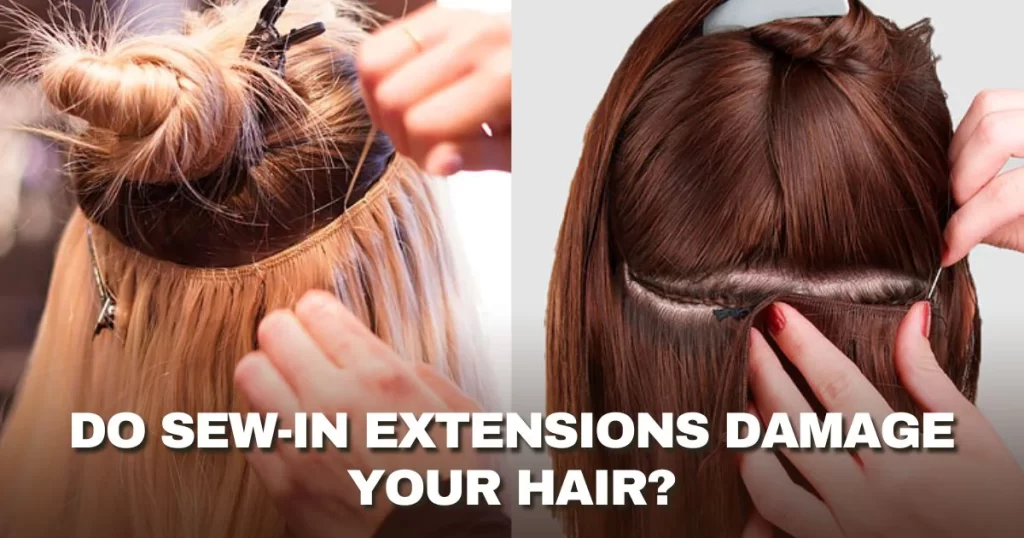
The weaving method used by professional clinics like Nile Hair N Skin Care creates a finely braided base from your existing hair, then attaches a lightweight custom hair system—distributing tension evenly without pulling directly on roots or scalp. When performed by experienced specialists with proper technique, hair weaving is safer than tight ponytails, heavy braids, or chemical relaxers.
However, weaves CAN cause damage through these common mistakes:
- Overly tight braiding – Causes traction alopecia (hairline recession)
- Heavy, low-quality hair systems – Excessive weight strains follicles
- Leaving weaves in too long – 8+ weeks without maintenance causes matting
- Poor installation technique – Uneven tension or knots too close to scalp
- Skipping maintenance – Growing braids pull unnaturally
Key fact: Damage comes from installation errors and neglect, not the weave method itself.
Understanding Traction Alopecia: The Real Risk Explained
Traction alopecia is the most common weave-related concern—a gradual hairline recession caused by constant pulling on follicles.
How It Happens
- Tight cornrows/braids pull hair roots constantly, inflaming follicles over time
- Heavy extensions add weight, increasing tension
- Prolonged wear (beyond 8 weeks) without adjustment worsens strain
- Edges and nape suffer first due to fragility and styling tension
Prevention (99% Avoidable)
text✅ CORRECT TECHNIQUE:
• Loose, comfortable braids (no scalp pain during install)
• Lightweight human hair systems (<100g total weight)
• Maintenance every 4-6 weeks to adjust growing braids
• 2-3 month maximum wear cycles with natural hair breaks

❌ DANGER SIGNS (Stop immediately):
• Scalp pain or throbbing during/after install
• Visible hairline recession within weeks
• Tight feeling around edges/nape
• Braids feel like "wire" against scalp
Good news: Early-stage traction alopecia is usually reversible if caught before permanent follicle scarring.
Does Weight Damage Hair? The Science
Myth: All weaves damage hair due to extension weight.
Fact: Properly proportioned weaves use less weight than thick ponytails or heavy updos.
Safe Weight Guidelines
- Full sew-in weave: 80-120g total added hair
- Partial crown weave: 40-70g
- Frontal/temple weave: 20-50g
Comparison:
textPonytail (natural hair): 150-250g pulling force
Heavy weave (poor quality): 200g+ distributed evenly
Professional weave: 100g spread across braided base
Solution: Clinics like Nile use custom-sized patches covering only thinning areas, not entire heads, minimizing weight while maximizing coverage.
Hair Weaving vs Other Methods: Damage Risk Comparison
Hair weaving is safer than most protective styles when done professionally.
The Installation Process: What Makes It Safe
Professional hair weaving follows strict protocols to eliminate damage risk:
1. Pre-Installation Assessment
text✅ Specialist checks:
• Hair strength and elasticity
• Scalp sensitivity
• Donor hair availability for braiding
• Appropriate system weight for your hair type
2. Safe Braiding Technique
text✅ Correct method:
• Loose, comfortable cornrows (finger-width apart)
• Never braid directly on scalp surface
• No pain or tightness during braiding
• Extra care around fragile edges/temples
text❌ NEVER ACCEPT:
• Scalp throbbing or pain
• Extremely tight braids
• Knots touching scalp skin
3. Lightweight System Selection
- Custom-sized patches (only thinning areas covered)
- High-quality human hair (stronger, lighter per volume)
- Breathable lace/mono bases (reduces weight)
4. Professional Sewing
- Specialized nylon thread (strong but gentle)
- Even tension distribution
- No over-tightening
Real Maintenance: Preventing 95% of Problems
Most damage occurs from neglect, not installation.
Weekly Home Care
text✅ Do:
• Wash 2-3x/week with sulfate-free shampoo
• Condition ends only (protect braids)
• Air dry or low-heat styling
• Loose satin bonnet at night

❌ Never:
• Heavy oil buildup on scalp
• Tight ponytails/updos
• Hot tools directly on braids
Professional Maintenance Schedule
textWeek 4-6: First tightening (₹1,500-₹2,500)
Week 8-10: Second tightening
Week 12: Full removal + natural hair TLC
textTotal Year 1 Maintenance: ₹8,000-₹12,000
Warning Signs: Stop Immediately If You Notice
Red flags requiring urgent removal:
- Scalp pain/throbbing – Active follicle damage occurring
- Hairline recession – Traction alopecia starting
- Itching + white flakes – Possible buildup/infection
- Visible bald spots around braids – Severe tension damage
- Braids feel like “wire” – Too tight, needs immediate adjustment
Never “tough it out” – pain = damage.
Professional vs DIY/Home Salon: Damage Risk Difference
textProfessional Clinic (Nile Hair N Skin Care)
✅ Trained specialists (1000+ procedures)
✅ Custom lightweight systems
✅ Sterile tools, hygiene protocols
✅ Maintenance reminders & support
• DAMAGE RISK: 5-10%

Home Salon / Untrained Stylist:
❌ Tight braids for "longevity"
❌ Heavy, cheap extensions
❌ No weight assessment
❌ No maintenance guidance
• DAMAGE RISK: 60-80%
Test your stylist: If they braid tightly “so it lasts longer” – walk away immediately.**
Long-Term Hair Health: What Science Shows
Good news from dermatology research:
- Properly installed weaves cause less damage than chemical treatments
- Tension damage is 80% reversible if addressed early
- Professional weaves distribute weight better than ponytails
- Regular maintenance prevents 95% of complications
Nile Hair N Skin Care protocol eliminates risks through:
- Pain-free braiding standard
- Custom-sized systems (20-70g only)
- Mandatory 4-week checkups
- Client education on warning signs
Cost of Safety vs Cost of Damage
textSAFE PROFESSIONAL WEAVE (Year 1)
Initial: ₹25,000
Maintenance: ₹10,000
Products: ₹8,000
TOTAL: ₹43,000 → Healthy hair preserved

CHEAP/WRONG INSTALLATION:
Initial: ₹12,000
Emergency removals: ₹8,000
Hair treatments: ₹15,000
Lost hair density: Priceless
TOTAL: ₹35,000+ → Permanent damage
Investing in proper technique saves ₹50,000+ in future restoration.
Verdict: Hair Weaves Are Safe When Done Right
Do sew-in weaves damage hair? Only if installed incorrectly or neglected.
Safe hair weaving =
text✅ Experienced specialist
✅ Loose, comfortable braids
✅ Lightweight custom system
✅ Regular maintenance
✅ Early warning detection
Modern clinics like Nile Hair N Skin Care eliminate risks through:
- Pain-free installation protocol
- Custom-sized patches for your exact thinning pattern
- Hygienic, sterile procedures
- Comprehensive aftercare guidance
- Two convenient Bangalore locations
Experience safe, natural hair weaving:
Call/WhatsApp: 9916489443
Koramangala | Bellandur
Free Consultation Available
Get full hair restoration without risking your natural hair health.